How Ideas Begin Before Words Form
Every paragraph starts as an idea waiting to take shape. Thoughts emerge in fragments—an image, a question, or a phrase. Behind the typing curtain, the first challenge is capturing that raw material before it fades. Writing gives structure to what begins as intangible sparks.
Why Focus Turns Thoughts Into Writing
Focus transforms a scattered idea into something readable. Concentration allows the writer to filter distractions and commit words to the page. Behind the typing curtain, this shift from thought to focus marks the moment when writing begins its true form.
The Role of Structure in Building a Paragraph
Structure provides the foundation that turns ideas into paragraphs. Each sentence must connect with the one before it, guiding the reader forward. Behind the typing curtain, structure shapes the rhythm and ensures that ideas flow with clarity instead of collapsing into disarray.
How Word Choice Sharpens Expression
Every word influences how a paragraph lands with the reader. Precise language carries strength, while vague terms weaken impact. Behind the typing curtain, writers refine word choice to sharpen expression, ensuring the paragraph holds meaning without excess.
A Realistic Scene of Idea Becoming Paragraph
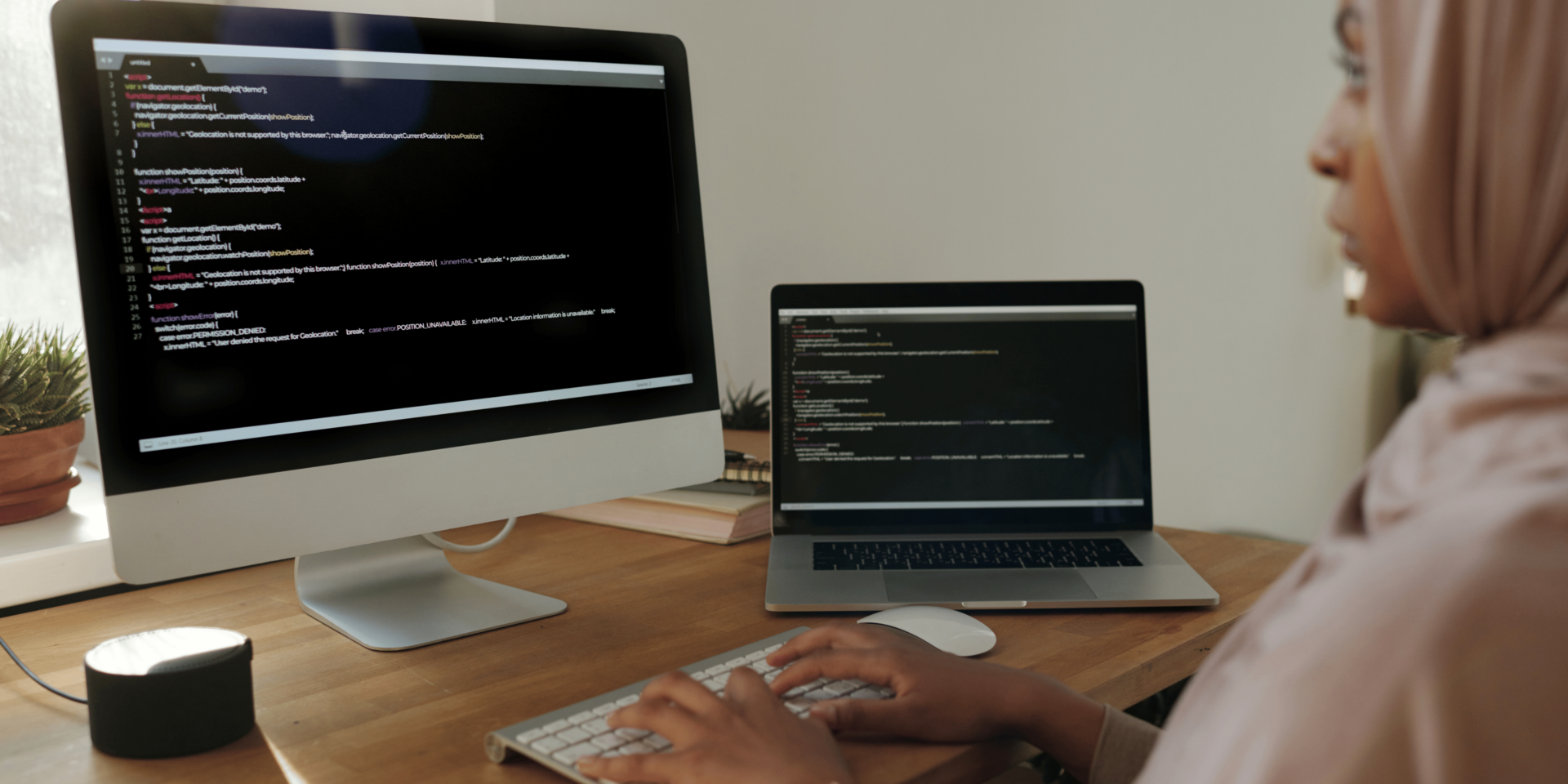
A writer sits at a desk late in the evening, the glow of a lamp spilling across the keyboard. Fingers hover for a moment before pressing down, and the first line appears. One sentence builds into another, steady and deliberate, until the idea finds its rhythm. Behind the typing curtain, the once fleeting thought now stretches across the screen as a full paragraph.
Why Reflection Strengthens Paragraph Development
Reflection deepens the transition from idea to paragraph. Writers pause to read what has been written, adjusting rhythm and refining meaning. Behind the typing curtain, reflection ensures the final paragraph captures both clarity and intention.
The Balance Between Flow and Discipline
Flow brings energy to writing, while discipline provides consistency. Behind the typing curtain, both forces work together—flow guides creativity, and discipline ensures the paragraph reaches completion. Without balance, ideas risk fading before they fully form.
How Authentic Voice Shapes the Paragraph
An authentic voice turns a simple paragraph into something memorable. Behind the typing curtain, authenticity emerges when writers trust their natural rhythm and perspective. This voice transforms paragraphs from mechanical lines into writing that resonates.
Why Revision Completes the Writing Process
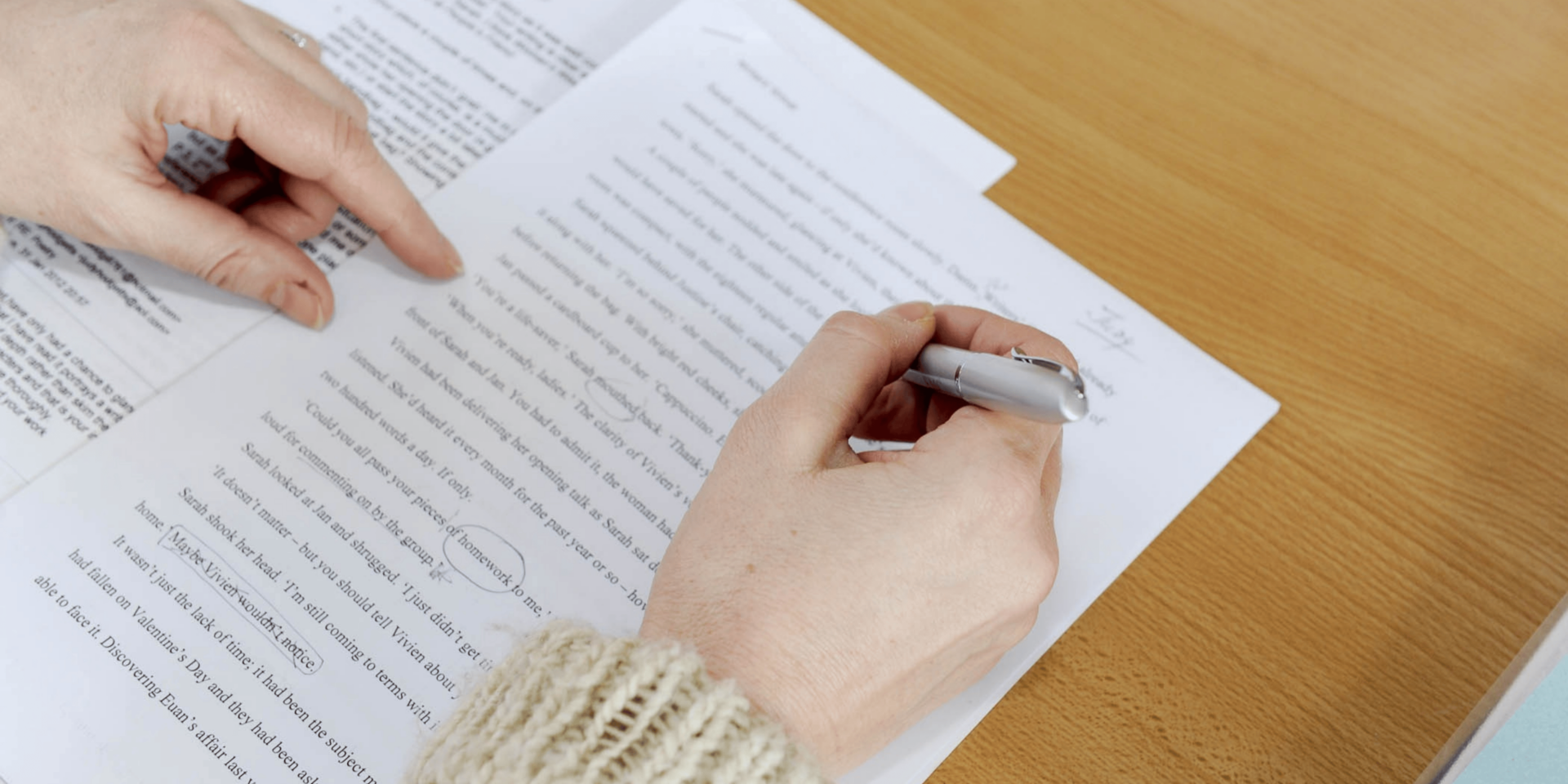
The journey from idea to paragraph does not end with the first draft. Revision polishes raw writing, stripping away excess and strengthening what remains. Behind the typing curtain, revision is the stage where clarity takes shape and words settle into their final form.
The Lasting Power of Paragraphs Born From Ideas
When ideas find life as paragraphs, they gain permanence. Behind the typing curtain, every thought transformed into writing becomes part of a larger whole. These paragraphs build stories, essays, and articles that carry influence far beyond their original spark.